Startups
 A journey from idea to acquisition
My time at Trail exposed me to all aspects of designing, developing and releasing a new product to the world.
Finding product-market fit
I joined Trail just as the product was being proven with some initial customers.
It was the early stages of the business and the team were buzzing with ideas and features to build, but we only had one or two customers and not a huge amount of resource.
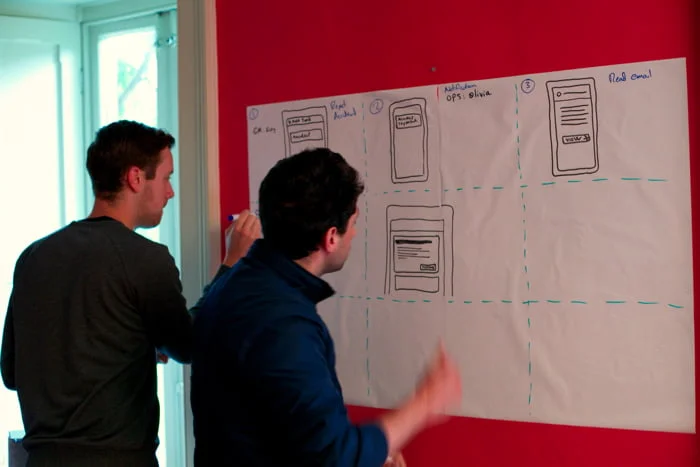
We ran Design Sprints to help us iterate quickly on some key ideas and get early validation. We always tried to build the features that we thought would work for the most customers, but we certainly built things that weren’t worth it a year down the line.
All of this was helping us find our product market fit.
More customers meant we couldn’t do everything for them. We needed to give them the tools to do things themselves and drive product engagement. The customers who created and managed their own content were much stickier and more valuable to us long term.
We also experimented with the team and process, trying to work out the best way to organise ourselves. Pods, tribes, whatever you like to call it, we found multidisciplinary teams working together on distinct problems got the best results.
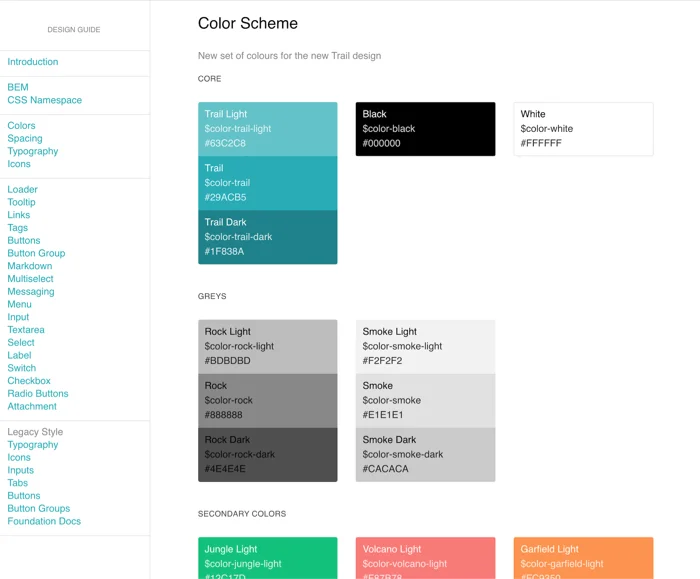
I also created our first design system, to allow the engineering team to build the product in a faster, more consistent way.
Scaling the growth engine
Once we’d achieved product market fit and had a growing customer base, we needed to find new ways to grow.
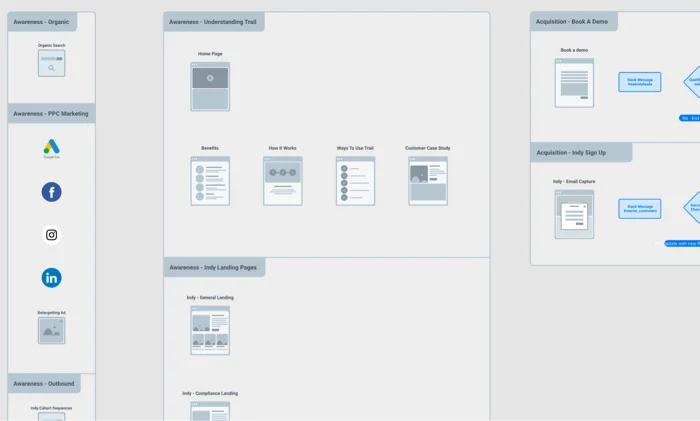
I helped redesign and build our marketing site on Webflow. This gave the business the ability to create content, run new campaigns and drive self-service sign-ups. Up to that point, we’d been predominantly direct sales-led.

We also spun up a dedicated Growth team to take risks and experiment with new ways of growing outside the business as usual work streams.
I led the process and meetings to help prioritise and monitor the different experiments. We used the pirate metrics funnel to identify where best to experiment and which metrics we needed to move at any one time.
Weathering the global pandemic
Our growth strategies were paying off, the team were in great shape and we were on track to set ourselves up for acquisition, then COVID hit.
Overnight we’d paused pretty much all revenue and app usage, we knew retaining customers long term was much better than trying to find new ones when things got back to normal.
We rode out the various waves and lockdowns with a skeleton team. We prioritised features that helped customers stay subscribed and reopen when they could: pausing subscriptions to avoid cancellations, self-service billing, and reopening checklists for the hospitality teams.
Revenue · 2015 – 2021
2021 saw our customers and revenue return thanks to the features we’d built and carefully thought-out reopening campaigns. This led us to acquisition by the leading hospitality software provider in the UK.